
What Is the Best Age to Start Chess? A Coach's Answer
Most children are ready to learn chess at 5–6, but readiness matters more than age. A chess coach explains the signs your child is ready and how to start.
3 min read
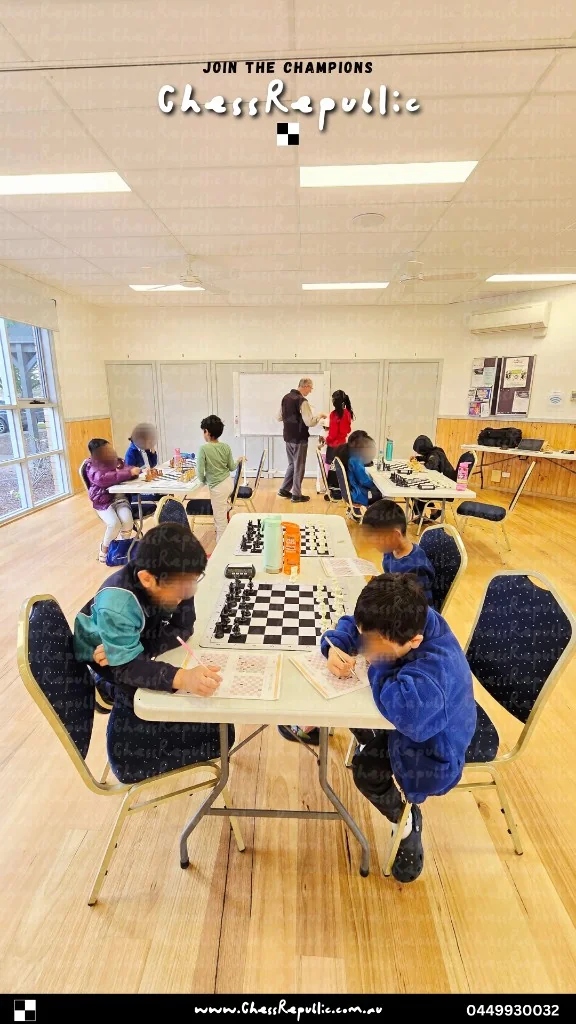
Quick answer: Most children are ready to start chess between 5 and 6 years old. The real test is readiness: if your child can focus for 10–15 minutes, follow simple rules and cope with losing (with some help), they can start. It's never too late. Children who start at 10 or 12 often progress very quickly.
"Is my child too young for chess?" is one of the questions I'm asked most often by parents. The short answer: most children are ready between 5 and 6 years old. The longer answer is that readiness matters much more than the number on the birthday cake.
The three signs your child is ready
After years of teaching young beginners, I look for three things:
- Focus for 10–15 minutes. Not a whole game, just long enough to finish a short activity.
- Following simple rules. "The rook moves in straight lines" needs to stick from one turn to the next.
- Coping with losing, with support. Every child gets upset sometimes. They need to be able to recover and play again.
If your child can do all three, they're ready for a structured beginner class, whatever their age.
Starting chess at each age
Ages 3–4: play, don't teach
At this age chess should feel like a game, not a lesson. Try:
- Naming the pieces and making up stories about them ("the knight jumps over the castle wall")
- Mini-games with just a few pieces, such as a pawn race
- Setting up the board together
Keep sessions to 5–10 minutes and stop while it's still fun.
Ages 5–6: the sweet spot
This is when most children start structured lessons. They can learn every piece's movement, check and checkmate, and play complete games within a term or two. Good classes for this age mix short explanations with lots of active play, puzzles and celebration.
At Chess Republic, our New to Chess level is designed exactly for this stage. No experience needed.
Ages 7–9: fast progress
Children this age can absorb tactics, simple openings and basic endgames. Many enter their first friendly tournament at this stage. Learning notation (writing moves down) helps them review their games.
Ages 10 and up: never too late
Older beginners have a real advantage: they can focus for longer and grasp strategy more easily. It's common for a 10–12-year-old beginner to catch up with children who started years earlier, within a year of regular lessons.
Common worries from parents
"My child can't sit still." Many energetic children love chess because good classes are active: puzzles, mini-games and a new opponent every round. Short, varied sessions help.
"My child hates losing." That's normal, and it's one of the best reasons to learn chess. A good coach teaches children to shake hands, look for what they learned and try again.
"I don't play chess myself." You don't need to. Encouragement and a regular class time do more than chess knowledge. Our parent's guide to chess for kids has simple ways to help at home.
How to start
- Try a free trial class. A coach can judge readiness and level in one session.
- Commit to a term. Real progress shows over 8–10 weeks.
- Add short practice. Fifteen minutes of puzzles or games a few times a week makes a big difference.
Not sure which class to choose? Read How to Choose a Kids Chess Class in Melbourne, or find a class at one of our Melbourne locations.
Key takeaways
- 5–6 years old is the sweet spot for most children to start structured chess lessons.
- Readiness signs include 10–15 minutes of focus, following simple rules and coping, with help, when they lose.
- Under 5: keep it playful with mini-games, stories and learning the pieces.
- Starting later is fine. Older beginners often catch up quickly because they can focus for longer.
Frequently asked questions
Can a 4-year-old learn chess?
Some 4-year-olds can learn the pieces and simple mini-games, especially with a parent or sibling who plays. Most do better in a structured group class from about 5, once their attention span and ability to follow rules have developed.
Is 10 too old to start chess?
Not at all. Children who start at 10 or older often progress very quickly because they can concentrate for longer and understand strategy more easily. Plenty of strong tournament players started in their teens.
How do I know if my child is ready for chess lessons?
Look for three things. Can they focus on one activity for 10–15 minutes? Can they follow simple rules? Can they lose a game without it ruining their day, with some support? If so, they're ready to try a class.