
How to Choose a Kids Chess Class in Melbourne: A Parent's Checklist
A practical checklist for Melbourne parents choosing a kids chess class: coach qualifications, child safety, class size, levels, cost, trial classes and red flags.
3 min read
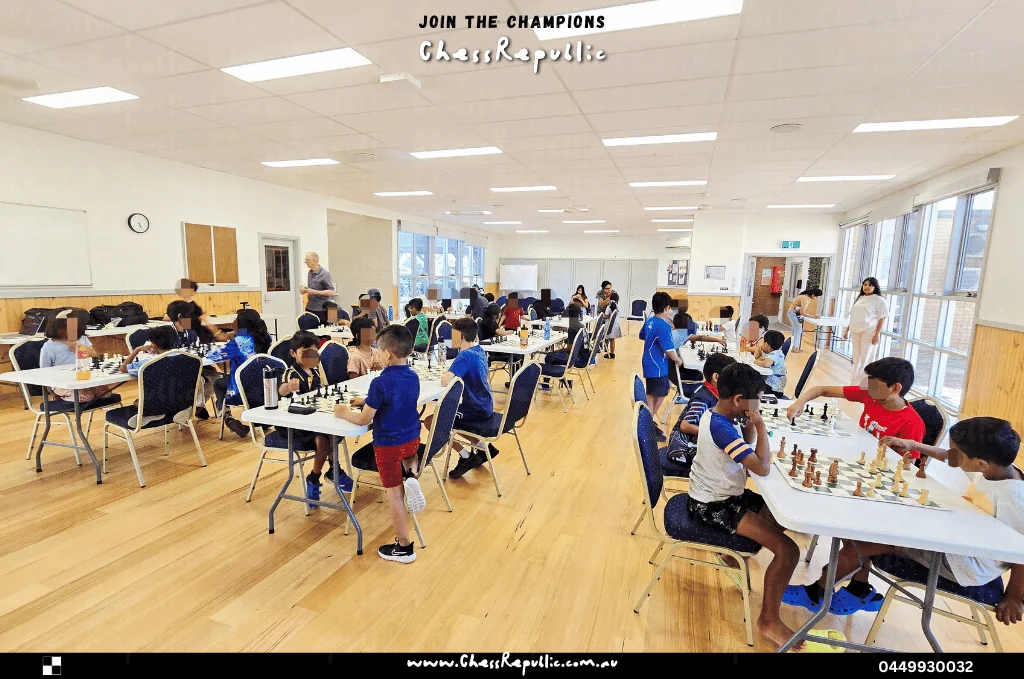
Quick answer: Choose a class with qualified, Working with Children Check cleared coaches, small groups organised by skill level, a clear curriculum and regular progress updates. Always start with a trial class, and look for a convenient location and time you can keep up every week.
Searching for "kids chess classes near me" gives you a lot of options, and from the outside they can look much the same. This checklist covers what actually makes a difference to your child's progress and enjoyment, based on what we see every week coaching across Melbourne.
1. The coach: strong player and great teacher
The coach is the biggest factor in whether your child thrives. Look for both:
- Chess strength. Look for qualified coaches with real competitive experience. FIDE titles and strong ratings show playing strength, but strong untitled players can also be excellent coaches.
- Teaching skill with children. Patience, energy and the ability to explain ideas simply matter just as much. A grandmaster who lectures for an hour is not the right fit for a 6-year-old.
Ask: "Who will coach my child, and what experience do they have teaching children of this age?"
2. Child safety is non-negotiable
In Victoria, people who do child-related work generally need a valid Working with Children Check. A professional academy will confirm this without hesitation and should also have clear child-safe practices, such as how children are supervised, how they're picked up, and how photo consent works.
3. Groups organised by level, not just age
Chess ability varies hugely within the same age group. A good program:
- Assesses your child, usually during a trial class
- Places them in a group that matches their skill level
- Moves them up when they're ready
Red flag: one big mixed group where beginners get crushed and stronger players get bored.
4. A real curriculum
Ask what your child will learn this term. You want a clear answer, such as "checkmate patterns with the queen and rook, basic opening principles and two-move tactics", not just "they play games".
At Chess Republic children progress through five levels, from New to Chess to Advanced, each with its own lesson plan. You can see how our approach works.
5. Class size and format
- Small enough that the coach can watch every board and give individual feedback
- A balance of teaching and playing. Children need new ideas and time to try them out
- Game review. Going over children's own games is where much of the learning happens
6. Progress you can see
You shouldn't have to guess how your child is going. Look for:
- Regular coach feedback
- A parent portal or updates on attendance and progress
- Practice tools between classes, such as puzzles or safe online play
7. A location and time you can keep up
Consistency beats everything. A great class 45 minutes away that you miss every second week will do less than a good class 10 minutes away that you never miss. Melbourne traffic is real, so check:
- Travel time at class time, not on a Sunday morning
- Parking and pick-up arrangements
- Whether there's a backup class if you have to miss one
Chess Republic runs classes in Berwick, Clyde North, Pakenham, Mulgrave, Cranbourne and more Melbourne suburbs, plus online classes for families anywhere in Australia.
8. Opportunities beyond the weekly class
The best programs give motivated children somewhere to go next:
- Tournaments. Friendly in-house events, then rated competitions. See our tournament guide for parents.
- School holiday camps. Full days of chess, puzzles and games. See holiday programs.
- Practice clubs. Extra playing time with other students.
9. Always start with a trial class
A trial class tells you more than any website. Watch for:
- Did your child come out smiling and talking about the class?
- Did the coach know your child's name and talk to you about their level?
- Was the room calm and organised?
Quick checklist
| Question | What you want to hear |
|---|---|
| Who coaches? | Experienced, strong players who are great with kids |
| Working with Children Check? | Yes, for every coach |
| How are groups organised? | By skill level, after an assessment |
| What's the curriculum? | A clear plan for each level and term |
| How will I see progress? | Regular feedback and a parent portal |
| Is there a trial? | Yes, so your child can try before you commit |
New to all this? Start with our complete guide to chess for kids.
Key takeaways
- Coach quality matters most. Look for strong players who are also patient, engaging teachers.
- In Victoria, everyone coaching children should hold a valid Working with Children Check.
- Groups should be organised by skill level and small enough for the coach to watch every board.
- Ask what the curriculum covers this term and how you'll hear about your child's progress.
- Pick a location and time you can keep every week. Consistency matters more than anything else.
Frequently asked questions
How much do kids chess classes cost in Melbourne?
Group classes in Melbourne usually cost much less than private lessons, which cost the most because the coach's time is one-on-one. Compare what's included, such as class length, group size, practice sessions and online tools, not just the price per lesson.
Are group chess classes or private lessons better for kids?
For most children, especially beginners, group classes are better. Children learn from playing different opponents and enjoy the social side. Private lessons suit advanced players preparing for serious competition or children who need a particular area of focus.
How long should a kids chess class be?
60–90 minutes once a week works well for most children. Younger beginners do best with about an hour of varied activities. Older and advanced students benefit from longer sessions that leave time for full games and analysis.
What questions should I ask a chess academy before enrolling?
Ask who will coach your child and what their experience is, whether coaches have Working with Children Checks, how groups are organised, what the curriculum covers, how progress is reported, and whether there's a free trial.