
School Chess Programs in Melbourne: What Principals and Parents Should Know
How school chess programs work in Melbourne: lunchtime clubs, after-school classes, coach checks, curriculum, and how schools partner with Chess Republic.
2 min read
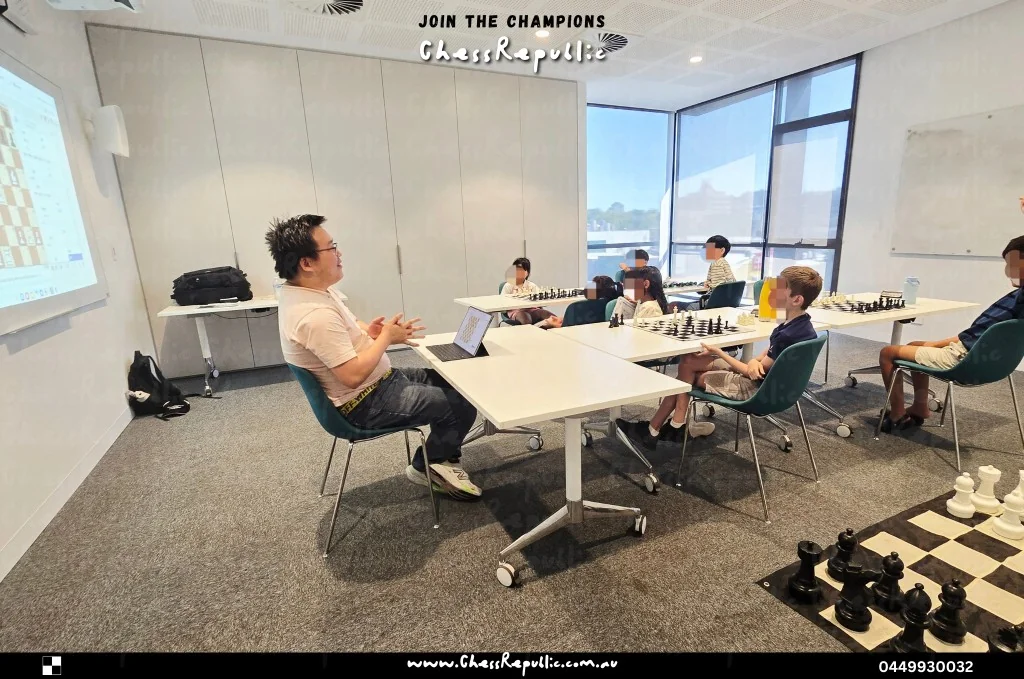
Quick answer: A good school chess program gives students a weekly, coach-led session with a clear curriculum — usually lunchtime or after school. Look for Working with Children Check cleared coaches, mixed-ability groups that still challenge stronger players, and a partner who handles curriculum and parent communication so teachers are not left running it alone.
Chess is one of the easiest enrichment activities a school can add. It needs little equipment, works for mixed ages, and builds the habits teachers care about: focus, patience and problem-solving. This guide explains how school chess programs usually work in Melbourne, and what to look for before you partner with a provider.
Why schools add chess
A well-run chess program gives students:
- A calm, screen-free activity that still feels competitive and fun
- Practice at thinking ahead, recovering from mistakes, and treating opponents with respect
- Extra challenge for students who finish classwork early
- A social club that suits quieter students as well as confident ones
Parents often ask about chess at school because weekly academy classes fill fast, or because siblings attend different suburbs. A school program brings chess to the students.
Lunchtime vs after-school chess
| Format | Best when | Trade-offs |
|---|---|---|
| Lunchtime club | You want high participation with minimal change to family routines | Sessions are shorter; stronger players may want more depth later |
| After-school program | You can offer a longer coaching block and clear pickup | Needs after-hours supervision and family commitment to the time slot |
Many schools start with lunchtime and expand once demand is clear.
What a quality school chess partner should provide
- Qualified coaches who are patient with children and hold a valid Working with Children Check
- A clear curriculum so every term has teaching goals, not only free play
- Options for beginners through stronger juniors
- Simple communication for parents (what the program is, when it runs, how to enrol)
- Optional pathways into junior tournaments and holiday camps
How Chess Republic partners with schools
Chess Republic runs lunchtime and after-school programs across Melbourne. We bring WWCC-cleared coaches, a structured curriculum aligned with our academy levels (New to Chess through Advanced), and optional links to our parent and kids portals.
Schools usually:
- Choose a format and day that fits the timetable
- Provide a room and a school contact
- Help families enrol or register interest
Our School Coordinator can walk principals through program options, levels and next steps. Start on the school partnerships page.
Tips for principals and coordinators
- Start with a trial term. Demand becomes obvious quickly.
- Protect the room booking. Chess needs tables, not a noisy shared corridor.
- Tell families early. A short notice in the newsletter with a clear enrolment link works better than word of mouth alone.
- Ask about progression. Students who love lunchtime chess often want tournaments or a weekly academy class next.
Tips for parents
If your child's school does not offer chess yet:
- Email the principal or enrichment coordinator with a short note about interest
- Share https://chessrepublic.com.au/schools
- Mention whether lunchtime or after school would suit your family
If the school already runs chess, ask how groups are organised and whether beginners are welcome. Our parent's guide to chess for kids explains what good coaching looks like outside school as well.
Key takeaways
- Lunchtime and after-school formats both work. The best choice depends on your school's timetable and space.
- Coaches should hold a valid Working with Children Check and follow child-safe practices.
- A structured curriculum beats informal 'free play' if you want real progress and engagement.
- Parents can ask the school to enquire, or schools can book a partnership meeting with Chess Republic.
Frequently asked questions
What is the difference between a lunchtime chess club and an after-school chess program?
Lunchtime clubs usually run in a short block during the school day and suit a broader mix of ages. After-school programs give more time for lessons, puzzles and games, and often feel closer to a weekly academy class.
Do schools need a teacher who already plays chess?
No. Chess Republic provides coaches, curriculum and parent updates. Schools mainly provide a room, a contact person and a clear pickup or supervision arrangement.
Is chess suitable for primary and secondary schools?
Yes. Younger students start with piece movement and fun mini-games. Older and stronger students work on tactics, openings and tournament preparation. Groups can be organised by level as well as age.
How do parents get a chess program started at their child's school?
Speak to the principal or wellbeing / enrichment coordinator and share the Chess Republic schools page. Schools can request an info pack or book a partnership meeting online.